
Modular homes market in Europe. Contemporary guide 2025.
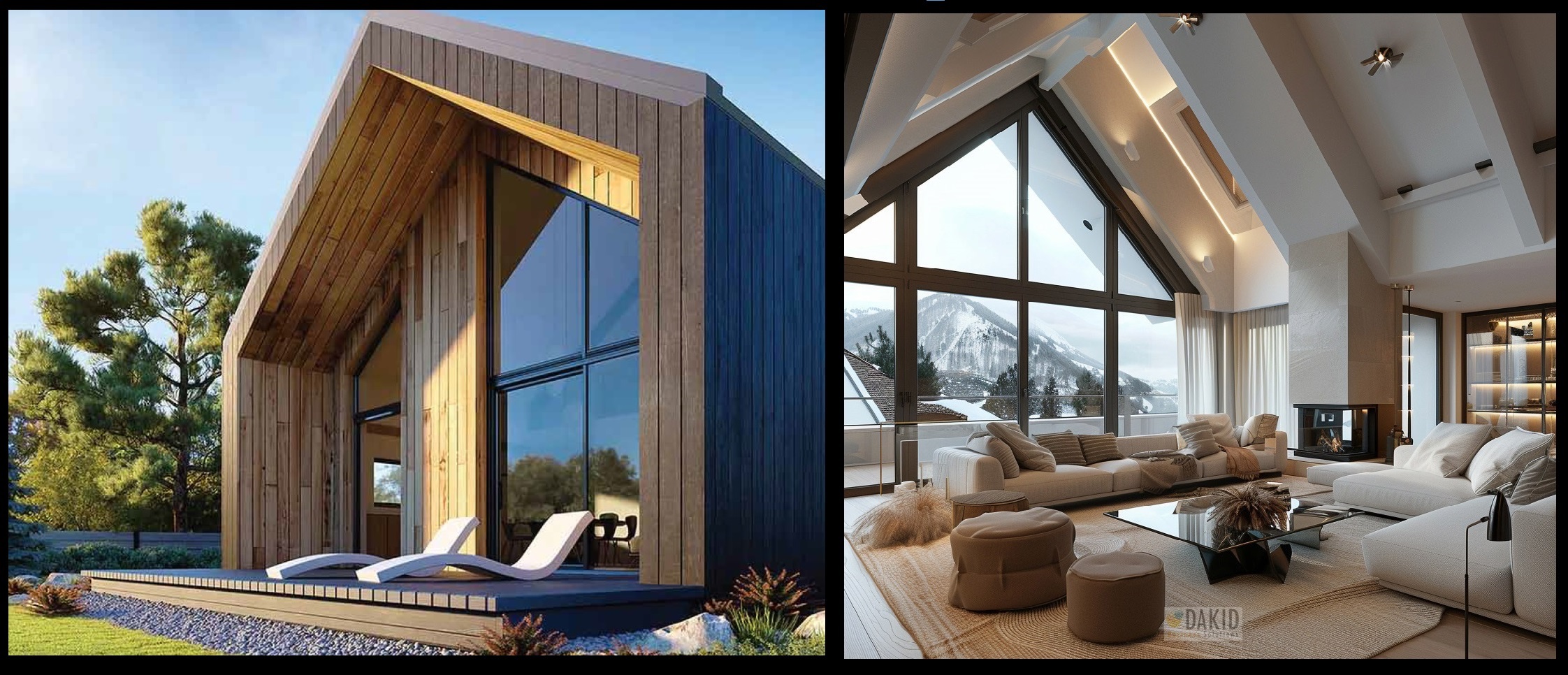
Modular home market in Europe 2025.
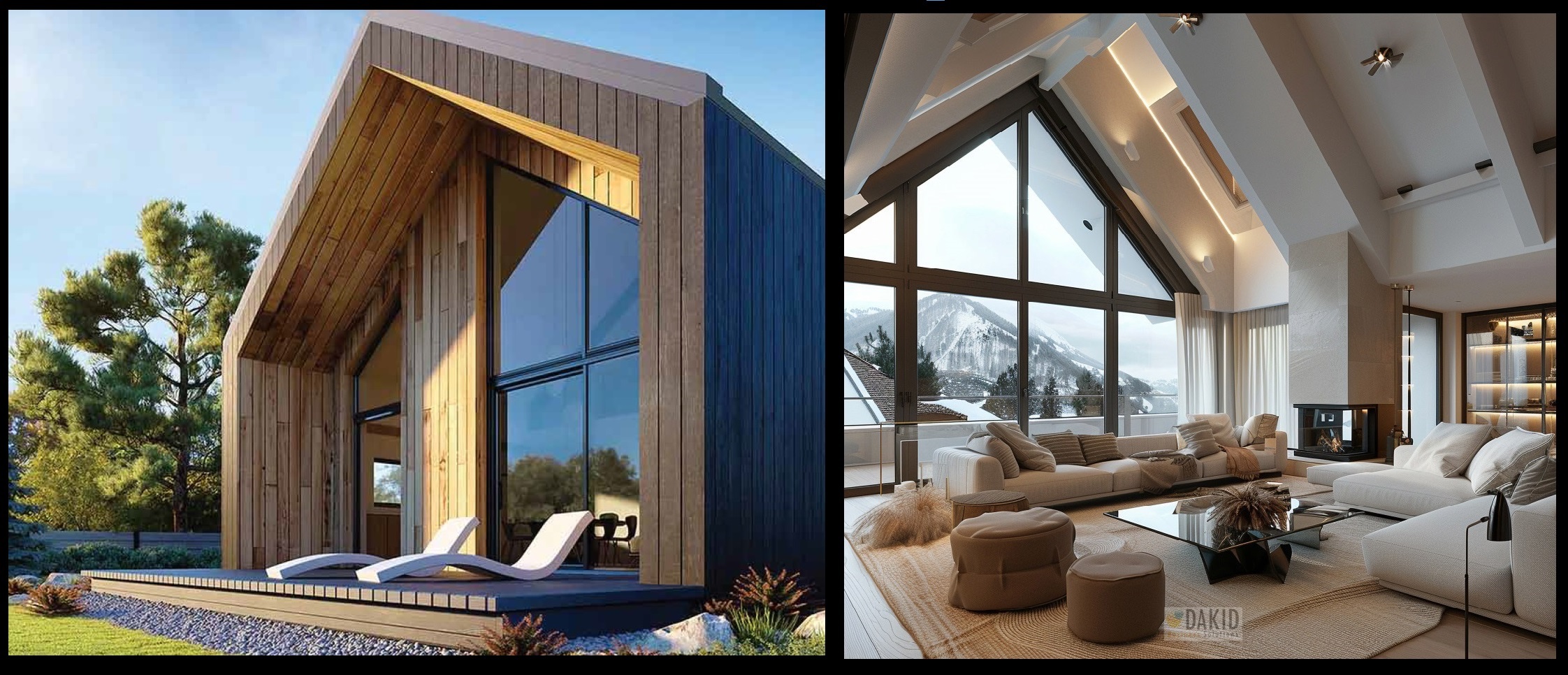
Europe is witnessing a profound shift in residential construction paradigms. As traditional on-site building methods confront cost overruns, labor shortages, and environmental pressures, modular (prefabricated) homes have surged in popularity across the continent.
Below, we explore why these factory-built dwellings are rapidly becoming the go-to solution for homeowners, developers, and policymakers alike—emphasizing speed of assembly, ecological credentials, simplified foundations, cutting-edge design, operational economy,
and seamless smart-home integration. We also present the latest statistics on annual prefab housing volumes, underscoring the sector’s remarkable growth.
1. Market Momentum: Tens of Thousands of Units Delivered Annually
Europe-wide volumes: Each year, more than 60 000 manufactured or modular homes are completed across EU member states—
a figure that continues to climb as governments and private investors prioritize affordable, sustainable housing Verified Market Research.
Country-level highlights: In Germany alone, 23 006 housing units were delivered via industrial prefab in the most recent reporting year—a 4.9 % increase over the prior year.
Forecasts ahead: Analysts anticipate overall European prefab volumes will exceed 70 000 units annually in the near term, driven by housing shortages and supportive policies.
This sustained uptick reflects three converging forces: the need for faster housing delivery, escalating environmental standards, and a desire for modern, adaptable living spaces.
2. Unmatched Speed: Factory Precision Meets On-Site Efficiency.
Rapid module production: In state-of-the-art factories, modules for a two-bedroom home can be fully fabricated in as little as 14 days, complete with plumbing, electrical wiring, kitchen and bathroom fixtures The Guardian.
Lightning-fast assembly: Once modules arrive on site, crane-assisted placement and bolting allow a home’s structural shell to be erected in just 3–7 days, depending on complexity eupro.fr.
Turn-key completion: From land clearance to move-in, many turnkey providers guarantee occupancy within 12–16 weeks—a fraction of the 9–12 months typical for conventional builds mcmcommunities.com.
This compression of timelines not only accelerates homeownership but also minimizes financing costs, reduces exposure to material price volatility, and slashes labor overhead.
3. Eco-Innovation: Sustainable Materials and Reduced Footprint.
Timber’s carbon advantage: Modern prefab homes often employ engineered wood panels—each cubic meter storing roughly 0.8 tonnes of CO₂, in contrast to the high embodied emissions of concrete or steel Wikipedia.
Factory-controlled waste reduction: Off-site manufacturing optimizes material use, slashing construction waste by up to 90 % compared with on-site cutting and disposal Wikipedia.
Lifecycle performance: High-efficiency insulation, airtight junctions, and integrated ventilation systems allow prefab dwellings to meet or exceed stringent EU energy-performance standards (EPBD), resulting in halved heating bills in some pilot projects Architectural Digest.
Such ecological credentials resonate with environmentally conscious buyers and align with Europe’s Green Deal targets.
4. Simplified Foundations: No-Dig, No-Pour Solutions.
Helical screw piles: Many modular home schemes now utilize certified screw-pile systems that eliminate traditional excavation and concrete pouring.
These galvanized-steel piles can be installed in 15–30 seconds each, supporting full structural loads without curing delays GoliathTechRADIX.
Site adaptability: Screw piles are suitable for tight or uneven plots—common in urban infill projects—and can be re-used or removed at end-of-life,
further reducing soil disturbance.
Foundation-free modules: Some designs incorporate self-leveling, floating chassis, allowing homes to be sited on gravel pads or adjustable piers
—ideal for remote or temporary installations.By shifting foundation work away from labor-intensive concrete pours, developers save time, costs, and mitigate weather-related delays.
5. Design Excellence: From Minimalist to Bespoke
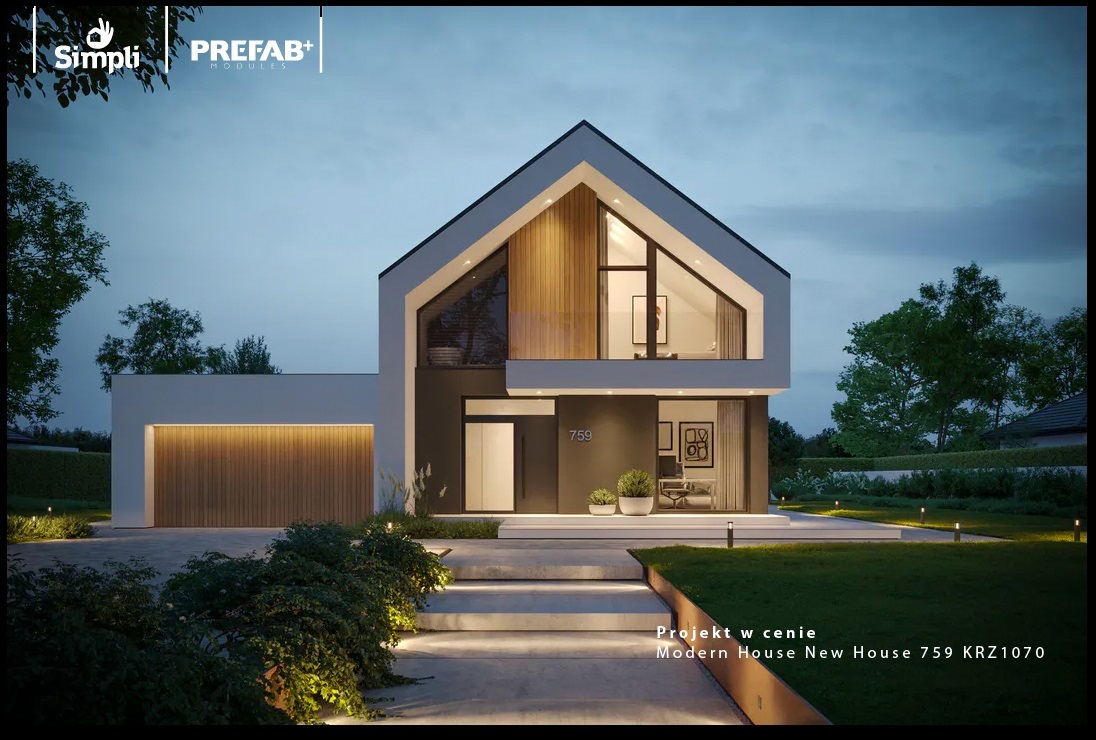
Architectural versatility: Prefab doesn’t mean cookie-cutter. Manufacturers partner with renowned architects and leverage 3D BIM tools to deliver everything from sleek, glass-fronted townhouses to multi-story timber high-rises .
Quality control: Factory conditions ensure precision joinery, flush finishes, and uniform tolerances—often exceeding site-built benchmarks. Interiors can be customized with premium materials, smart lighting, and bespoke cabinetry.
Adaptive layouts: Modules can be combined, stacked, or reconfigured over time, offering homeowners the flexibility to expand or repurpose spaces as needs evolve.
This marriage of standardization and customization makes prefab homes uniquely capable of fulfilling contemporary lifestyle demands.
6. Economic Operation: Low Ownership Costs.
Energy efficiency: With U-values rivaling Passive House standards, prefab dwellings routinely achieve annual heating costs under €2 per m², translating to full payback on extra insulation within a few years Architectural Digest.
Durability: Quality-controlled components and factory-applied weather barriers reduce maintenance cycles. External claddings such as fiber-cement or rain-screen timber require minimal upkeep.
Insurance and tax incentives: Many countries offer lower insurance premiums and green-building subsidies for certified modular homes that meet environmental or social-housing criteria.
Over a 30-year horizon, total cost of ownership—factoring in energy, repairs, and resale value—often undercuts equivalent traditionally built homes by 10–15 %.
7. Smart-Home Synergy: Built-In Connectivity
Integrated systems: Prefab modules can be pre-wired for full smart-home ecosystems—HVAC controls, automated shading, home-security networks, and IoT sensor arrays—streamlining installation and ensuring neat concealed cabling.
Future-proof infrastructure: High-bandwidth data conduits and modular service shafts allow easy retrofits: add EV chargers, battery storage, or AI-driven climate management without invasive rewiring.
User-friendly interfaces: Many manufacturers bundle intuitive touchscreen panels or mobile-app integration, giving occupants seamless control over temperature, lighting, and security.
As Europe’s digital home market matures, prefab dwellings are uniquely positioned to deliver plug-and-play smart living.
8. Scaling Up: Policy Alignment and Investment Appeal
EU funding & targets: Under NextGenerationEU and national recovery plans, member states allocate billions to social-housing refurbishments and rapid-build low-carbon neighborhoods—boosting prefab providers’ order books.
Institutional backing: Pension funds and REITs are increasingly channeling capital into modular housing platforms, valuing the repeatable revenue streams and reduced project risk.
Workforce optimization: Factory jobs benefit from stable schedules and automation, easing the sector’s labor-shortage woes while enhancing quality standards.
This supportive ecosystem signals that modular construction is not a niche trend but a structural evolution in European housing.
Preffabricated modular homes for sale:
Interested in starting investment in modular homes? Looking for contruction company that will build and design project for You? Check our company website or call us for more details: +48-604-978-704.
Comments
There are no comments yet
Leave a Comment